Navratri Shimmer - Celebrating India’s Sacred Festival Through Immersive Gaming
Welcome to the comprehensive guide to Navratri Shimmer, a groundbreaking mobile game that seamlessly blends the rich cultural heritage of India’s Navratri festival with cutting-edge gaming technology. Developed with immense passion and deep respect for tradition by Daman Games, this title has redefined what it means to create a culturally authentic gaming experience that resonates with desi gamers across the globe.
Navratri, the nine-night festival dedicated to the worship of Goddess Durga, holds a special place in the hearts of millions of Indians. It’s a time of joy, devotion, community gatherings, and vibrant celebrations featuring traditional dances like Garba and Dandiya Raas. Navratri Shimmer captures the very essence of this festival, allowing players to immerse themselves in the festive spirit regardless of their location or ability to participate in physical celebrations.
What sets Navratri Shimmer apart from other cultural games is its unwavering commitment to authenticity, attention to detail, and player-centric design. Unlike many titles that merely use cultural elements as superficial aesthetics, this game delves deep into the traditions, mythology, and social aspects of Navratri, offering both entertainment and educational value. Whether you’re a seasoned Garba dancer from Gujarat, a youngster in Delhi looking to connect with their roots, or an international player curious about Indian culture, Navratri Shimmer offers something meaningful for everyone.
Since its launch in August 2023, the game has garnered widespread acclaim, amassing over 7 million downloads, receiving rave reviews from critics and players alike, and winning multiple awards for its innovative approach to cultural gaming. This comprehensive guide will take you on a journey through every aspect of the game, from its development history and gameplay mechanics to its cultural significance and future prospects.
Overview of Navratri Shimmer
Navratri Shimmer is a free-to-play mobile game developed and published by Daman Games, a leading name in the Indian mobile gaming industry specializing in cultural and regional titles. Launched on 15th August 2023, coinciding with India’s Independence Day celebrations, the game was strategically released ahead of the Sharad Navratri season to capitalize on the festive mood across the country.
The core concept of the game emerged from the observation that while Navratri is celebrated with great enthusiasm across India and among the Indian diaspora worldwide, many people—especially youngsters in urban areas and those living abroad—are losing touch with the traditional aspects of the festival. Daman Games recognized an opportunity to bridge this gap through gaming, a medium that resonates strongly with the younger generation.
The game’s mission statement, as articulated by the development team, is to “preserve, promote, and propagate India’s rich cultural heritage through an engaging, accessible, and authentic gaming experience that entertains, educates, and unites people.” This mission is evident in every aspect of the game, from its gameplay mechanics to its educational content and community features.
Navratri Shimmer is available for download on both iOS and Android platforms, with a file size optimized to just 180MB, making it accessible even on entry-level smartphones that dominate the Indian market. The game follows a freemium model, offering core gameplay for free while providing optional in-app purchases for cosmetic items, character customization options, and special power-ups that enhance the gaming experience without creating a pay-to-win scenario.
One of the game’s most remarkable achievements is its ability to appeal to a diverse audience. It has found favor among casual gamers looking for a fun, festive pastime, hardcore gamers seeking challenging gameplay mechanics, cultural enthusiasts interested in learning about Navratri traditions, and families who use the game as a way to bond over shared cultural experiences.
Navratri, derived from the Sanskrit words “nava” (nine) and “ratri” (night), is celebrated twice a year in India. Sharad Navratri, falling in the Hindu month of Ashwin (September-October), is the most widely celebrated and is the primary focus of Navratri Shimmer. The festival commemorates the victory of Goddess Durga over the demon Mahishasura, symbolizing the triumph of good over evil.
The game’s success has also had a significant impact on the Indian mobile gaming industry, demonstrating that there is a viable market for culturally authentic games that respect traditions rather than trivializing them. It has inspired other developers to explore India’s rich cultural heritage for game concepts, leading to a new wave of desi-themed games that celebrate the country’s diverse traditions, festivals, and folklore.
Since its launch, Navratri Shimmer has been featured in leading Indian publications such as The Times of India, Hindustan Times, Indian Express, and Gujarat Samachar, as well as in major gaming publications and digital platforms. It has also received coverage in international media outlets, helping to promote Indian culture on a global stage.
Development History & Team Behind Navratri Shimmer
The development of Navratri Shimmer was a labor of love that spanned over 18 months, involving a dedicated team of 45 professionals with diverse expertise in game design, programming, art, music, cultural research, and user experience. The project was led by Daman Games, a Mumbai-based gaming studio founded in 2018 with a focus on creating culturally relevant and regionally appropriate games for the Indian market.
Conception & Research Phase (January - June 2022)
The idea for Navratri Shimmer first emerged during a brainstorming session at Daman Games in January 2022. The team had previously found success with their Diwali-themed game “Diwali Dhamaka” and wanted to create another festival-based title that would resonate with Indian audiences. After evaluating several festivals, the team settled on Navratri due to its vibrant cultural elements, widespread popularity across regions, and the potential for engaging gameplay mechanics centered around dance and community.
Recognizing the importance of cultural authenticity, the team embarked on an extensive research phase that lasted six months. This phase involved:
- Consulting with 12 cultural experts specializing in Indian festivals, folk dance, and mythology
- Collaborating with 8 renowned Garba and Dandiya Raas instructors from Gujarat, Rajasthan, and Maharashtra
- Visiting Navratri celebrations in 15 cities across India to study traditional practices, costumes, and music
- Researching historical texts and religious scriptures to ensure accurate representation of mythological elements
- Conducting surveys with over 5,000 potential players to understand their expectations and preferences
The research phase revealed several key insights that shaped the game’s development. Players expressed a strong desire for authentic cultural elements rather than stereotypical representations, a preference for inclusive gameplay that accommodates both experienced dancers and novices, and a demand for educational content that helps younger generations connect with their cultural roots.
A key challenge during the research phase was accommodating the regional variations in Navratri celebrations across India. While Garba and Dandiya Raas are most closely associated with Gujarat, different regions have their own unique traditions—from the Durga Puja of West Bengal to the Golu displays of Tamil Nadu. The development team addressed this by incorporating elements from various regional celebrations, ensuring that players from all parts of India feel represented in the game.
Development Phase (July 2022 - May 2023)
The actual development of Navratri Shimmer began in July 2022, with the team divided into several specialized units:
| Development Team | Key Responsibilities | Team Size |
|---|---|---|
| Game Design | Develop gameplay mechanics, level design, progression systems | 8 |
| Programming | Develop game engine, implement mechanics, optimize performance | 12 |
| Art & Animation | Create character designs, environments, costumes, animations | 10 |
| Audio | Compose music, record traditional tracks, create sound effects | 5 |
| Cultural Content | Develop educational material, verify cultural accuracy | 4 |
| Quality Assurance | Test gameplay, identify bugs, ensure cultural sensitivity | 6 |
One of the biggest technical challenges during development was creating a dance mechanics system that would be both intuitive for casual players and challenging enough for experienced gamers. The team developed a proprietary rhythm detection algorithm that can accurately track player inputs while accounting for the unique beats and movements of Garba and Dandiya Raas.
The art team faced the challenge of creating visually stunning environments and characters that remain culturally authentic. To achieve this, they worked closely with traditional artisans and costume designers from Gujarat, Rajasthan, and other states known for their Navratri celebrations. The team created over 100 traditional costumes, each with intricate details inspired by regional styles, and designed virtual mandaps (festival pavilions) that reflect the architectural diversity of India.
The audio team collaborated with 30 folk artists and musicians from across Gujarat to record authentic Garba and Dandiya tracks. They also worked with popular Indian singers and music producers to create modern remixes that appeal to younger audiences while retaining the traditional essence of the music. The result is a soundtrack of over 250 tracks that caters to diverse musical preferences.
Testing & Launch Preparation (June - July 2023)
From June to July 2023, Navratri Shimmer underwent an extensive testing phase involving over 10,000 beta testers across India. The beta testing was conducted in multiple phases, with each phase focusing on specific aspects of the game:
- Technical Testing (June 1-15): Focused on identifying bugs, optimizing performance, and ensuring compatibility with a wide range of devices
- Gameplay Testing (June 16-30): Evaluated the fun factor, difficulty balance, and engagement level of core mechanics
- Cultural Accuracy Testing (July 1-10): Involving cultural experts and representatives from different regions to verify the authenticity of cultural elements
- User Experience Testing (July 11-20): Focused on interface design, navigation, and overall user experience
The beta testing phase yielded valuable feedback that led to several key improvements in the game. For example, based on feedback from players in rural areas with limited internet connectivity, the team implemented a low-data mode and offline gameplay options. They also added more beginner-friendly tutorials based on feedback from players who were unfamiliar with Garba and Dandiya Raas.
In the weeks leading up to launch, Daman Games conducted an extensive marketing campaign that included social media promotions, influencer collaborations, press releases, and partnerships with Navratri celebration organizers across India. The campaign emphasized the game’s cultural authenticity and educational value, resonating strongly with Indian audiences.
Launch & Post-Launch Support (August 2023 - Present)
Navratri Shimmer was officially launched on 15th August 2023, coinciding with India’s 76th Independence Day. The launch was marked by a virtual event attended by cultural experts, folk artists, gaming influencers, and representatives from the media. The game was made available for download on both the Google Play Store and Apple App Store, with support for 15 Indian languages from day one.
The game received an overwhelming response at launch, achieving over 1 million downloads within the first 48 hours and climbing to the top of the free games charts in India. It maintained this position throughout the Navratri season, with a significant spike in downloads and engagement during the nine nights of the festival.
Since launch, the development team has maintained a regular update schedule, releasing new content and features every 4-6 weeks. These updates have included new dance modes, additional costumes and accessories, fresh music tracks, and special events tied to festivals and cultural occasions. The team has also been proactive in addressing player feedback, regularly implementing quality-of-life improvements and bug fixes.
The post-launch success of Navratri Shimmer has exceeded the expectations of the development team. What began as a passion project to celebrate Indian culture has evolved into a cultural phenomenon with a dedicated community of over 10 million active players and a significant impact on how Indian culture is represented in the global gaming industry.
Gameplay Mechanics: Dance, Devotion, and Community
The gameplay of Navratri Shimmer is designed to be accessible yet deep, offering a diverse range of experiences that cater to different player preferences while staying true to the spirit of Navratri. At its core, the game revolves around three main gameplay pillars: dance mechanics, devotional elements, and community features. These pillars are seamlessly integrated to create a cohesive and engaging experience that captures the multifaceted nature of Navratri celebrations.
Core Dance Mechanics
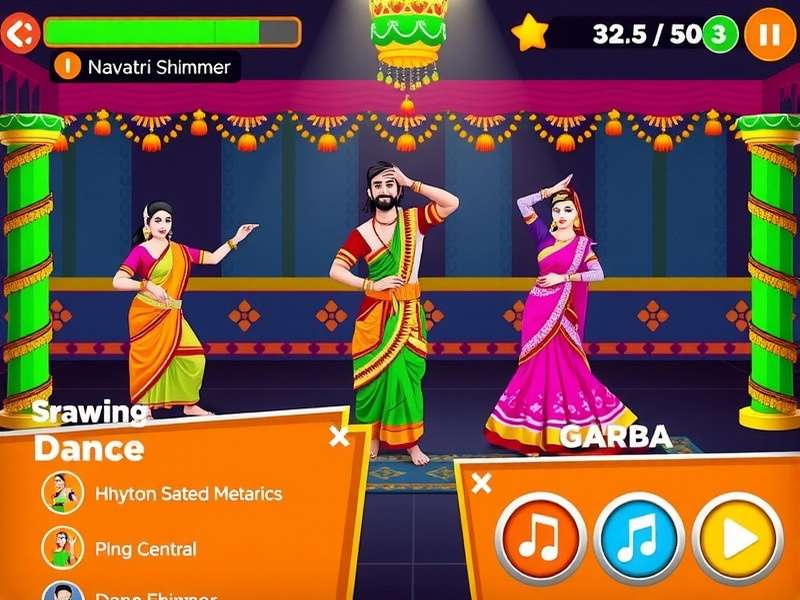
The dance component of Navratri Shimmer is the game’s most prominent feature, offering two distinct dance modes based on the iconic Navratri traditions: Garba and Dandiya Raas. Both modes utilize an intuitive touch-based control system that has been carefully designed to replicate the movements of traditional dance while remaining accessible to players of all skill levels.
Garba Mode: Rhythm and Grace
Garba Mode transforms the traditional circular dance of Gujarat into an engaging rhythm game that challenges players’ timing, coordination, and memory. The gameplay is set in beautifully rendered virtual mandaps, each decorated according to traditional Navratri customs with rangoli, diyas, marigold garlands, and idols of Goddess Durga.
Players control their avatar by tapping, swiping, and holding on the screen in sync with the beat of traditional Garba tracks. The game features four difficulty levels to accommodate different skill levels:
- Beginner: Simple tap patterns with a slower tempo, ideal for players new to Garba or rhythm games
- Intermediate: More complex combinations of taps and swipes with a moderate tempo
- Expert: Fast-paced sequences requiring quick reflexes and precise timing
- Master: The most challenging difficulty level, featuring complex patterns and rapid tempo changes designed for experienced players
Each Garba session is scored based on three factors: timing accuracy (how well the player matches the beat), combo streaks (consecutive correct inputs), and style points (for executing special moves). Players earn “Garba Points” based on their performance, which contribute to their overall level progression and unlock new content.
One of the unique aspects of Garba Mode is the “Circular Formation” feature, which replicates the traditional circular arrangement of Garba dancers. As players progress through the game, they can unlock additional avatars to join their circle, each with unique dance styles and abilities that enhance the gameplay experience.
Dandiya Raas Mode: Energy and Synchronization
Dandiya Raas Mode captures the high-energy, partner-based nature of this traditional dance form, which involves hitting wooden sticks (dandiyas) in synchronized patterns. Unlike Garba Mode, which can be played solo, Dandiya Raas Mode emphasizes social interaction and synchronization, offering both solo and multiplayer options.
In solo play, players dance with an AI partner, timing their dandiya strikes to match the music and their partner’s movements. The gameplay involves a combination of tap, swipe, and flick gestures that simulate the various dandiya moves, from simple strikes to complex twirls and jumps.
The multiplayer mode is where Dandiya Raas Mode truly shines, allowing players to connect with friends or other players online for cooperative or competitive dance sessions. The game supports up to 6 players in a single session, with options for 1v1 duels, team-based competitions, or cooperative performances.
A unique feature of Dandiya Raas Mode is the “Synchronization Meter,” which rewards players for coordinating their movements with their partners. The better the synchronization, the higher the score multiplier and the more rewards players earn. This feature encourages communication and teamwork, reflecting the communal spirit of Navratri celebrations.
The development team worked closely with professional Dandiya Raas instructors to ensure that the in-game movements accurately reflect traditional techniques. Each of the 36 dandiya moves featured in the game is based on authentic dance steps, with subtle variations to make them suitable for touch-based controls.
Devi Puja Mode: Spirituality and Devotion
Recognizing that Navratri is not just a festival of dance but also a time of spiritual devotion, the developers included Devi Puja Mode as a key gameplay component. This mode offers players a chance to engage with the religious aspects of Navratri through virtual worship of the nine forms of Goddess Durga.
Devi Puja Mode is structured around the nine days of Navratri, with each day dedicated to one of the nine manifestations of Goddess Durga. Players can perform virtual puja (worship) by offering flowers, fruits, prasad, and other traditional items to the goddess, lighting diyas, and reciting mantras.
Each puja ceremony is accompanied by traditional devotional music and detailed animations that reflect the specific rituals associated with each form of the goddess. The game provides accurate information about each form of Durga, including her significance, mythology, and traditional worship practices, adding an educational element to the spiritual experience.
Completing puja ceremonies earns players “Devi Blessings,” which can be used to unlock special in-game items such as rare costumes, powerful power-ups, and exclusive content. The mode also features daily challenges and special events tied to auspicious times during the Navratri festival.
What sets Devi Puja Mode apart from similar features in other games is its authenticity and respect for religious traditions. The development team consulted with Hindu religious leaders and scholars to ensure that all puja rituals are accurately represented and that the mode promotes genuine spiritual engagement rather than trivializing religious practices.
Progression System: Growth and Customization
Navratri Shimmer features a comprehensive progression system that rewards players for their engagement and skill, encouraging long-term play while maintaining a sense of achievement and growth.
Player Leveling
Players earn experience points (XP) through various in-game activities, including dance performances, puja ceremonies, completing challenges, and participating in events. As players accumulate XP, they level up their overall player level, which ranges from 1 to 99 (a nod to the nine nights of Navratri multiplied by 11, a sacred number in Hinduism).
Each level unlocks new content and features, such as additional dance tracks, costumes, accessories, mandaps, and game modes. Reaching certain milestone levels (10, 25, 50, 75, and 99) unlocks special rewards and titles that players can display on their profiles.
The maximum level of 99 unlocks the prestigious “Navratri Samrat/Samrani” (Navratri Emperor/Empress) title, along with exclusive access to special events, limited-edition content, and recognition within the game’s community.
Currency System
The game features two main currencies that serve different purposes:
- Navratri Coins: The primary currency earned through regular gameplay, used to purchase standard costumes, accessories, and power-ups. Players can earn Navratri Coins by completing dance sessions, puja ceremonies, daily challenges, and other in-game activities.
- Shimmer Gems: The premium currency used to purchase rare and exclusive items, such as limited-edition costumes, special power-ups, and access to exclusive events. Shimmer Gems can be earned through achievements, special events, and level milestones, or purchased through in-app purchases.
The game’s currency system is designed to be fair and accessible, allowing players to progress and customize their experience without requiring in-app purchases. The development team has been careful to avoid creating a pay-to-win environment, ensuring that skill and dedication remain the primary factors in achieving success.
Character Customization
Character customization is a major feature of Navratri Shimmer, allowing players to create unique avatars that reflect their personal style while celebrating traditional Indian attire. The game offers an extensive range of customization options, including:
- Costumes: Over 150 traditional and modern outfits inspired by regional Navratri celebrations across India, including chaniya cholis, lehenga cholis, kurta pajamas, dhotis, and fusion wear that combines traditional elements with contemporary design.
- Accessories: More than 80 traditional accessories, including bangles, bindis, mangalsutras, turbans, earrings, necklaces, and dandiya sticks in various designs and colors.
- Hairstyles: 35+ hairstyles reflecting diverse Indian hair types and traditional styles, from long braids to turbans and modern cuts.
- Makeup: A range of traditional and modern makeup options that enhance the festive look without compromising cultural authenticity.
- Emotes: 50+ dance emotes and expressions that players can use to communicate and express themselves during multiplayer sessions.
Each customization item is carefully designed to reflect traditional Indian aesthetics while offering enough variety to allow players to express their individuality. Many of the costumes are inspired by regional variations in Navratri attire, from the vibrant mirror-work chaniya cholis of Gujarat to the elegant silk sarees of South India.
Game Modes and Activities
In addition to the core dance and puja modes, Navratri Shimmer offers a variety of game modes and activities that keep the gameplay fresh and engaging:
Story Mode
Story Mode takes players on a journey through the nine days of Navratri, following a narrative that combines mythology, cultural education, and gameplay challenges. The story follows a young protagonist who learns about Navratri traditions, masters Garba and Dandiya Raas, and participates in a grand Navratri celebration.
Each day of the story corresponds to one night of Navratri, introducing players to a different form of Goddess Durga and teaching them about the associated traditions and mythology. The story is presented through beautifully animated cutscenes, voice acting in multiple languages, and interactive elements that blend seamlessly with the gameplay.
Event Mode
Event Mode features time-limited challenges and celebrations tied to festivals, cultural occasions, and special milestones. These events often feature unique gameplay mechanics, exclusive rewards, and themed content that keeps the game feeling fresh and relevant throughout the year.
Examples of events include:
- Navratri Special Event: A grand celebration during the actual Navratri festival, featuring exclusive dance tracks, costumes, and challenges
- Garba Marathon: A multi-day event where players complete consecutive dance sessions to earn special rewards
- Dandiya Championship: A competitive tournament where players compete against each other for top rankings and prizes
- Cultural Heritage Event: Events focusing on specific regional Navratri traditions, introducing players to diverse cultural practices
Training Mode
Training Mode is designed to help new players learn the basics of Garba and Dandiya Raas, with step-by-step tutorials that break down dance moves and gameplay mechanics. The mode includes:
- Interactive tutorials for basic and advanced dance moves
- Practice sessions with adjustable speed and difficulty
- Feedback on performance to help players improve
- Cultural context and information about each dance move
Social Hub
The Social Hub serves as a virtual gathering place where players can interact with friends, join communities, and participate in group activities. Features of the Social Hub include:
- Player profiles with customizable avatars and achievement displays
- Friend system with messaging and activity tracking
- Clans/Groups for players to join and collaborate with like-minded individuals
- Virtual mandaps where players can gather, chat, and dance together
- Leaderboards for competitive players to showcase their skills
The combination of diverse game modes, engaging progression systems, and cultural authenticity makes Navratri Shimmer a uniquely compelling gaming experience that offers something for players of all backgrounds and preferences. Whether you’re looking for a fun casual game, a challenging rhythm experience, a spiritual journey, or a social platform to connect with others, the game delivers on multiple fronts while staying true to its cultural roots.
Cultural Authenticity: Honoring Navratri Traditions
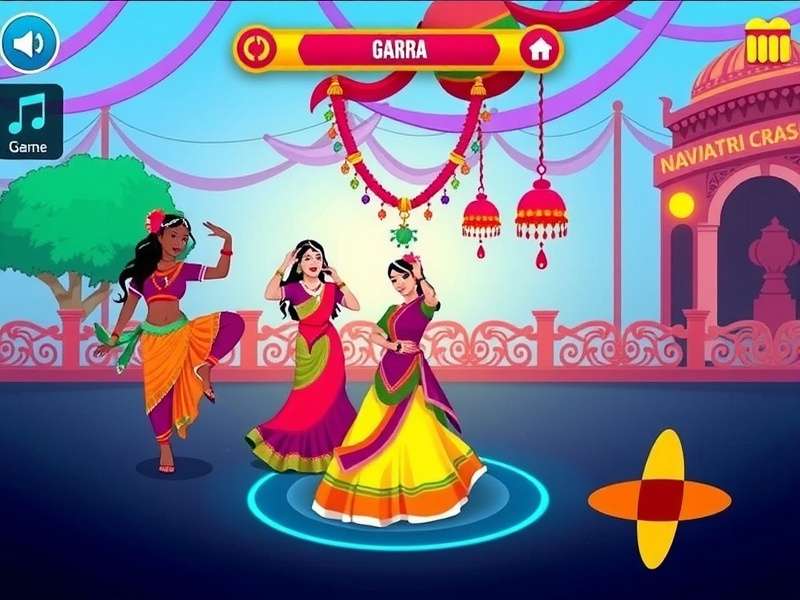
One of the defining features of Navratri Shimmer is its unwavering commitment to cultural authenticity. Unlike many games that use cultural elements as superficial decorations or stereotypes, this title has been developed with deep respect for Navratri traditions, incorporating accurate representations of the festival’s customs, music, dance, and mythology. This commitment to authenticity has not only earned the game widespread praise from cultural experts but has also made it a valuable tool for preserving and promoting Indian cultural heritage.
Music: Preserving and Promoting Traditional Sounds
Music is the soul of Navratri, and Navratri Shimmer places great emphasis on authentic musical representation. The game’s soundtrack features over 250 tracks, including traditional folk songs, devotional music, and modern remixes that retain the essence of Navratri while appealing to contemporary audiences.
Traditional Folk Music
The core of the game’s soundtrack consists of traditional Garba and Dandiya Raas folk music from Gujarat, performed by renowned folk artists and musicians. These tracks have been recorded specifically for the game, ensuring high audio quality while preserving the authentic sound and feel of traditional Navratri music.
The traditional tracks include classic Garba songs such as:
- “Udi Udi Jaye” – A popular Garba song celebrating the joy of dance
- “Dholi Taro Dhol Baaje” – A rhythmic track featuring traditional dhol drums
- “Navratri Special Garba” – A devotional song dedicated to Goddess Durga
- “Ambe Maa Ni Aarti” – A traditional aarti (devotional song) for Goddess Durga
- “Dandiya Raas” – An energetic track designed for the stick dance
Each traditional track is accompanied by detailed information about its origin, meaning, and cultural significance, providing players with an educational experience alongside the musical enjoyment.
Regional Musical Variations
Recognizing that Navratri celebrations vary across India, the game also includes musical variations from different regions. These include:
- Bengali Durga Puja music from West Bengal
- Marathi devotional songs from Maharashtra
- Tamil Navratri bhajans from Tamil Nadu
- Punjabi folk music influences from Punjab
- Rajasthani folk tunes from Rajasthan
This regional diversity ensures that players from different parts of India can connect with the game on a personal level, seeing their own cultural traditions represented alongside those from other regions.
Modern Remixes
To appeal to younger audiences and ensure the game’s broad appeal, Navratri Shimmer also features modern remixes of traditional tracks. These remixes are created in collaboration with popular Indian music producers and DJs, who add contemporary beats and production elements while carefully preserving the traditional melodies and cultural essence of the original songs.
The remixes have proven particularly popular among younger players, many of whom have reported that the game introduced them to traditional Navratri music that they might not have otherwise encountered. This blend of traditional and modern music has helped bridge generational gaps, with families often playing and enjoying the game together.
A key aspect of the game’s musical authenticity is the use of traditional instruments. All tracks feature live recordings of instruments such as the dhol (drum), tabla, harmonium, flute, and manjira (cymbals), rather than synthetic approximations. This commitment to traditional instrumentation has been praised by music experts and folk artists alike.
Costumes and Accessories: Celebrating Regional Diversity
Navratri Shimmer offers an extensive range of costumes and accessories that reflect the diverse traditional attire worn during Navratri celebrations across India. Each item is carefully designed to be culturally accurate, with attention to detail that honors the craftsmanship and symbolism of traditional Indian clothing.
Gujarati Traditional Attire
Given the association of Garba and Dandiya Raas with Gujarat, the game features an extensive collection of Gujarati traditional attire, including:
- Chaniya Choli: The iconic Gujarati outfit consisting of a flared skirt (chaniya), a blouse (choli), and a dupatta (scarf). The game features over 50 variations, each with intricate embroidery, mirror work, and beadwork characteristic of different regions of Gujarat.
- Kedia: The traditional Gujarati outfit for men, consisting of a short coat-like upper garment and dhoti-style bottoms.
- Abhalaado: A traditional Gujarati accessory consisting of a belt adorned with large bells, worn around the waist during Garba.
Regional Attire from Across India
In addition to Gujarati attire, the game features traditional clothing from other regions of India, reflecting the country’s cultural diversity:
- Lehenga Choli: Popular in North India, particularly Rajasthan and Uttar Pradesh, featuring a long skirt, blouse, and dupatta.
- Nauvari Saree: The traditional saree worn by women in Maharashtra during Navratri, draped in a distinctive style that allows for easy movement during dance.
- Salwar Kameez: Popular in North India, featuring loose-fitting pants (salwar) and a long tunic (kameez).
- Pattu Saree: The traditional silk saree from South India, known for its rich colors and intricate patterns.
- Mekhela Chador: The traditional attire from Assam, consisting of a cylindrical skirt (mekhela) and a draped cloth (chador).
Symbolism and Cultural Significance
Each costume and accessory in Navratri Shimmer is not just a visual element but also carries cultural symbolism and significance. For example:
- The color red is prominently featured in many costumes, symbolizing energy, passion, and devotion to Goddess Durga.
- Mirror work on chaniya cholis is